
 adminadmin
Over 4,000 Trays of Imported Eggs Destroyed After Failing Biosecurity Inspection in Port Vila
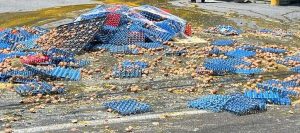
More than 4,000 trays of imported eggs were condemned and destroyed in Port Vila this week after a routine biosecurity inspection found they were no longer safe for human consumption. The discovery has raised fresh concerns about food-handling standards, temperature-controlled shipping, and the potential health risks posed by spoiled perishable goods entering Vanuatu.
According to the Biosecurity Vanuatu Office, inspectors conducted a mandatory check on a refrigerated container of eggs imported by the Low Price Company. Although all import documents were in order, officers immediately identified serious issues with the container’s temperature readings upon arrival.
Leisongi Manses, Officer-in-Charge at the Biosecurity Office, confirmed that the refrigeration system had not maintained the required temperature during transport.
“When the container arrived, the internal temperature was far above the acceptable range,” Mrs Manses explained. “Eggs must be transported at approximately 0°C to ensure freshness and to prevent bacterial growth. In this case, the temperature rose significantly, and by the time the shipment reached Port Vila, the eggs had already deteriorated.”
In total, 214 cartons—equivalent to over 4,000 trays—were deemed spoiled and immediately destroyed under biosecurity protocols. Authorities emphasised that consuming eggs that have been exposed to fluctuating temperatures can lead to dangerous bacterial contamination, including salmonella, which poses a serious threat to public health.
Mrs Manses said the incident highlights the importance of ensuring strict cold-chain management for all imported perishable items.
“We need stronger cooperation with importers and shipping agencies,” she said. “Any break in temperature control can turn fresh food into a public-health hazard. Our priority is to protect consumers, and that means ensuring all goods entering the country are stored and transported at the correct temperature.”
She added that the Biosecurity Office will continue to work closely with importers to improve compliance and prevent similar incidents in the future. Additional inspections and monitoring procedures may also be introduced to ensure that all incoming perishable products meet health and safety requirements.
